
A Class Trip to Europe’s Diplomatic Capitals: Brussels and The Hague

Wednesday, July 1, 2026
A Class Trip to Europe’s Diplomatic Capitals: Brussels and The Hague
By Clara Danzl
Introduction:
From March 16th to 18th, 2026, many 2nd year International Relations (IR) students and some interested in politics got the chance to travel to Brussels and the Hague to visit EU institutions and gain insight on international justice and European history. Over the course of three days we explored the European Parliament, the Parliamentarium, the International Criminal Court (ICC), the Kosovo Specialist Chambers, the House of European history, the European Economic and Social Committee, and the Committee of the Regions. The following is a record of our activities, along with some reflections.
This trip was organised as a part of the IR course by Dr Mireille Hebing and Dr Neven Andjelic. A special thanks to them for accompanying our class during this trip.
Day One – March 16th: Brussels
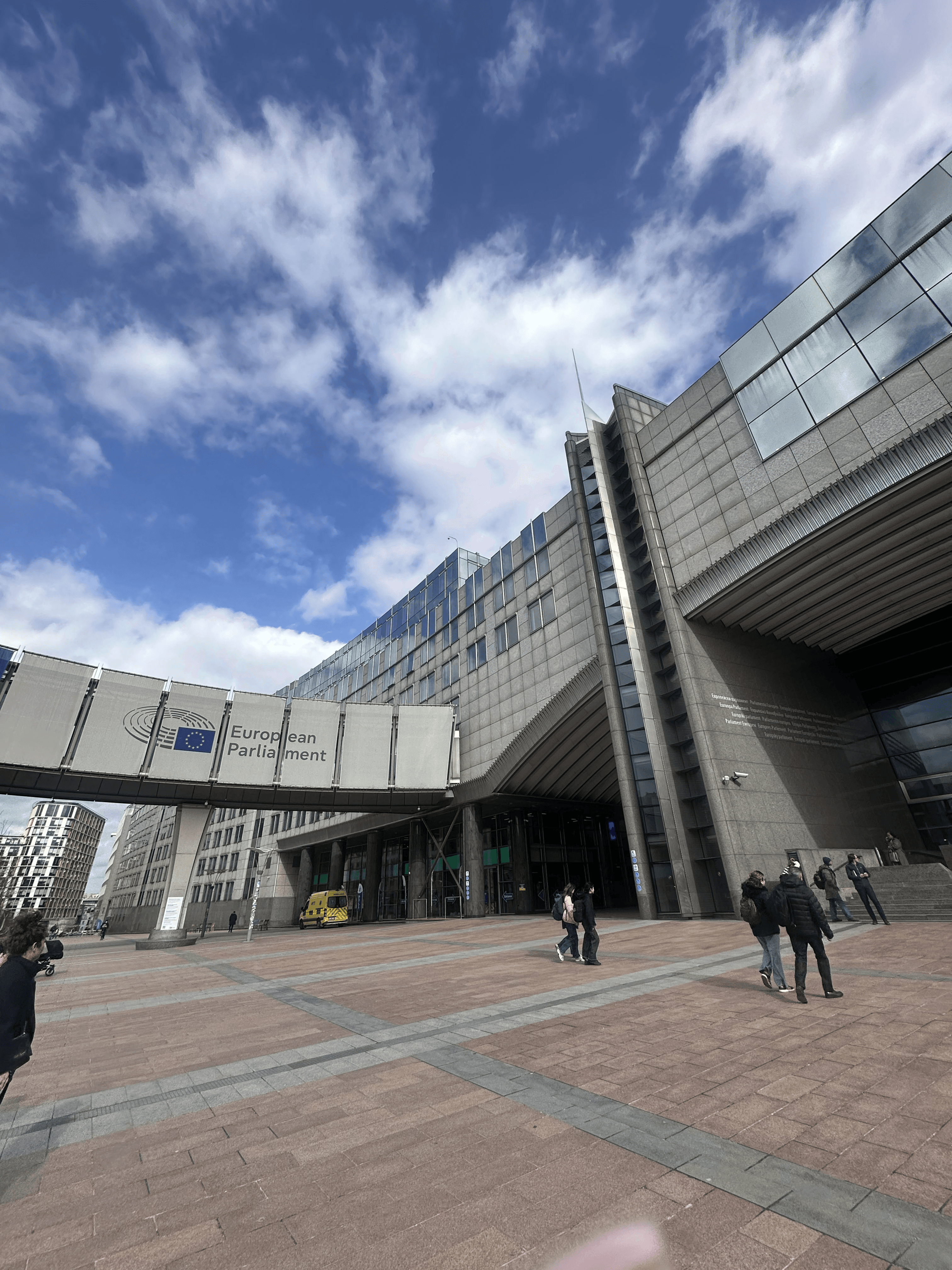
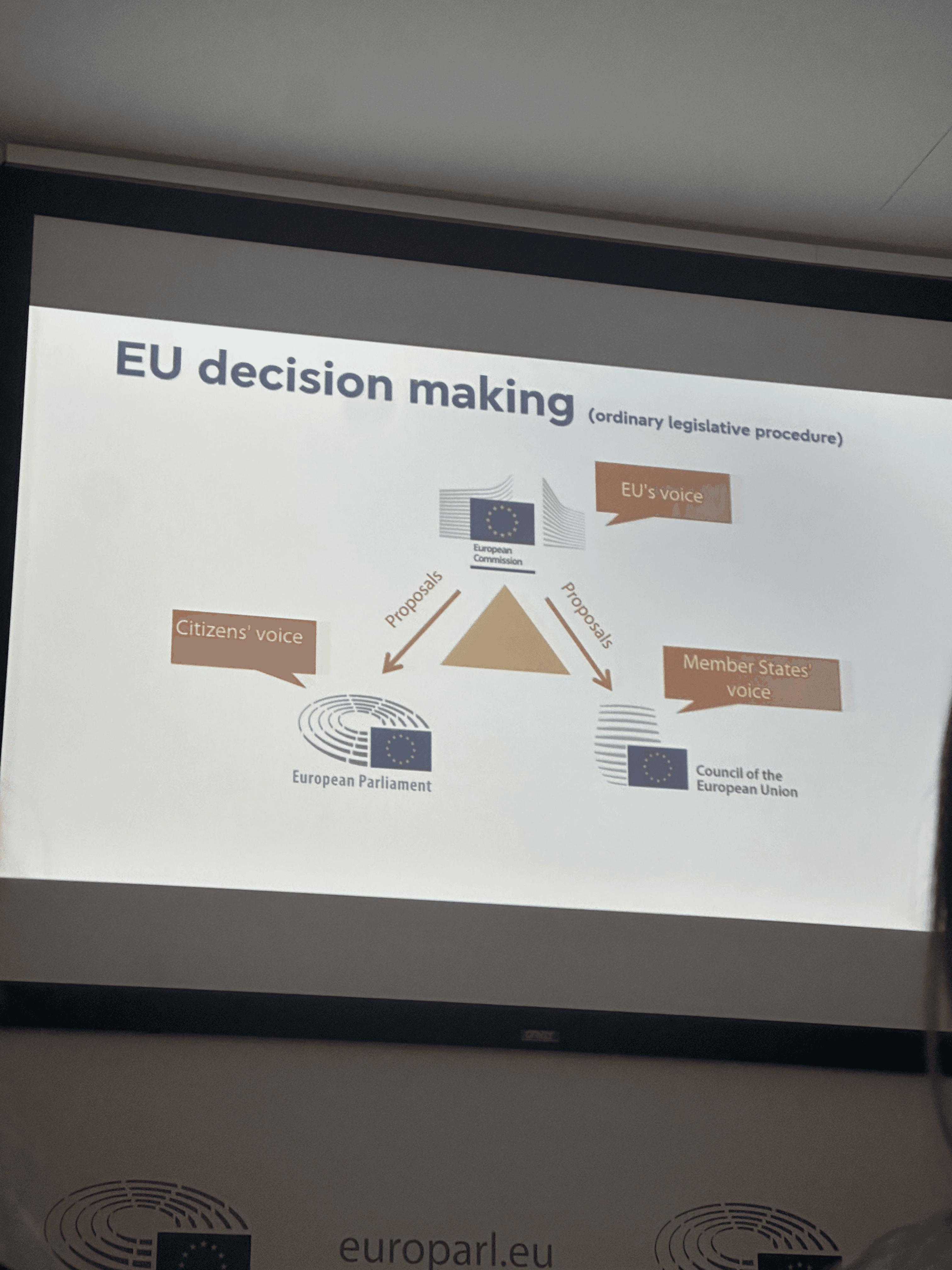
After having checked in to our hotel, we made our way to the European Quarter where we had an informative talk on EU decision making and how EU institutions work.
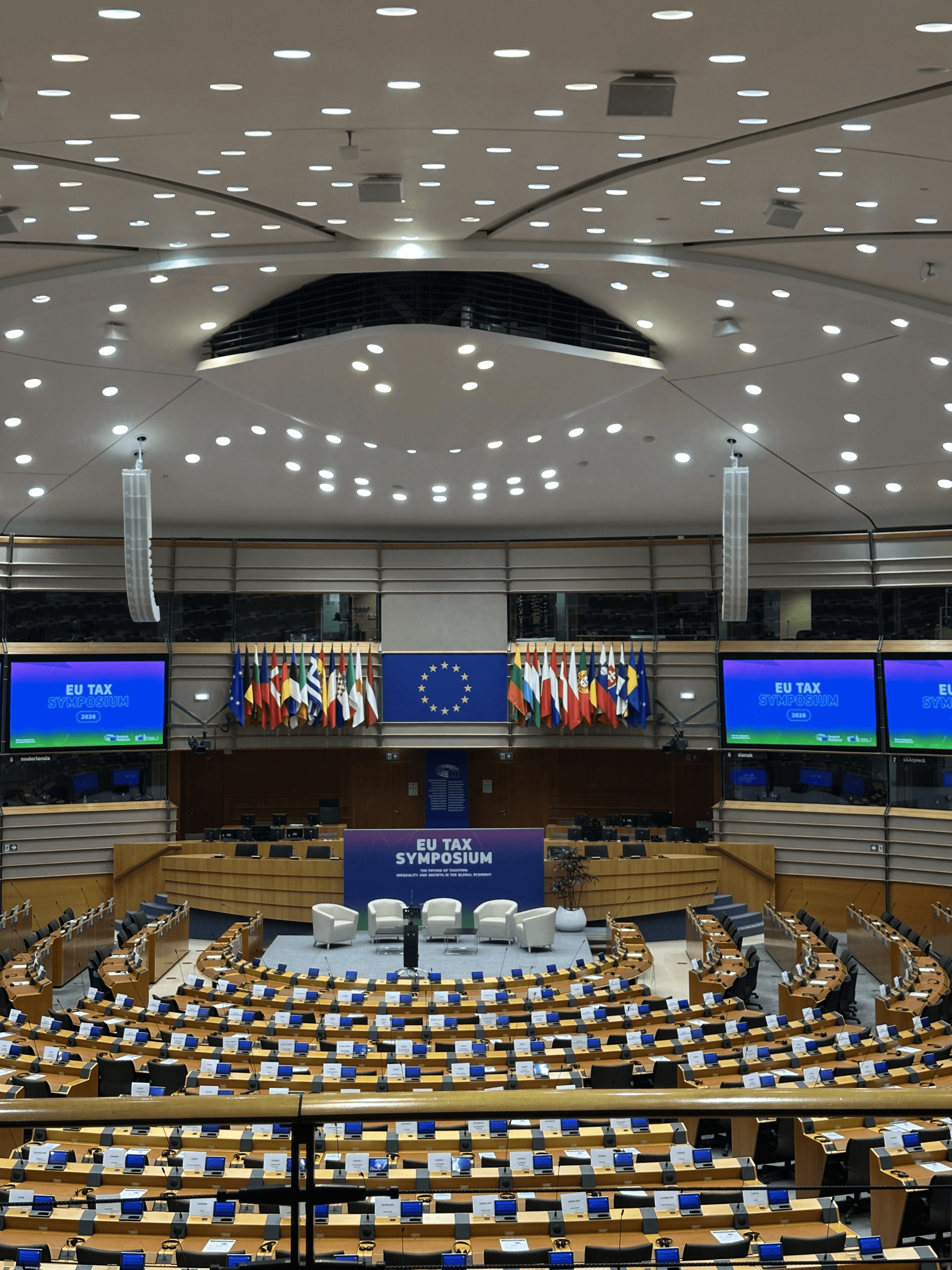
Then we proceeded to enter the Hemicycle (the plenary chamber). It was surprising to see close up just how big the space was but also to know all sessions are translated in real-time in all 24 official EU languages by interpreters inside the booths. Coincidentally, we were able to see the Hemicycle prepared for the 4th EU Tax Symposium, which took place on March 16th-17th.
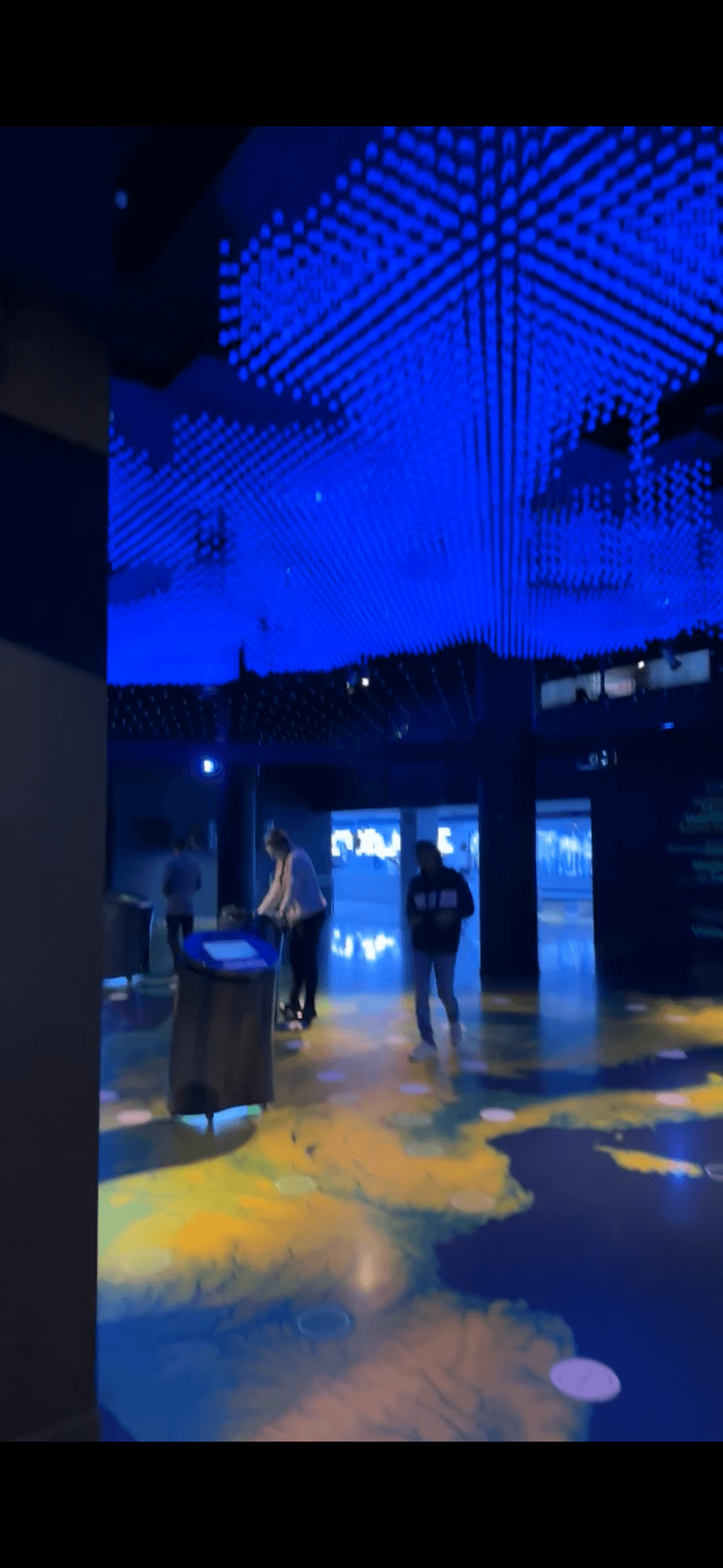
Afterwards, we visited the Parliamentarium. Where before we were able to see the institution in motion, the Parliamentarium allowed us to learn about its story. Interactive exhibits enabled us to learn about the history of European integration, EU expansion and the Parliament’s growing powers over the years.
Day Two – March 17th: The Hague
On the second day, we had an early morning bus ride to the Hague. There we visited the International Criminal Court, where we got to learn about a specific case. This case showed that even if big organisations such as the ICC want to help, it is still very hard for them to do so and it takes a lot of time to get justice. Unfortunately, but understandably, we were not allowed to take pictures inside the ICC, to protect the victims’ story and identity.
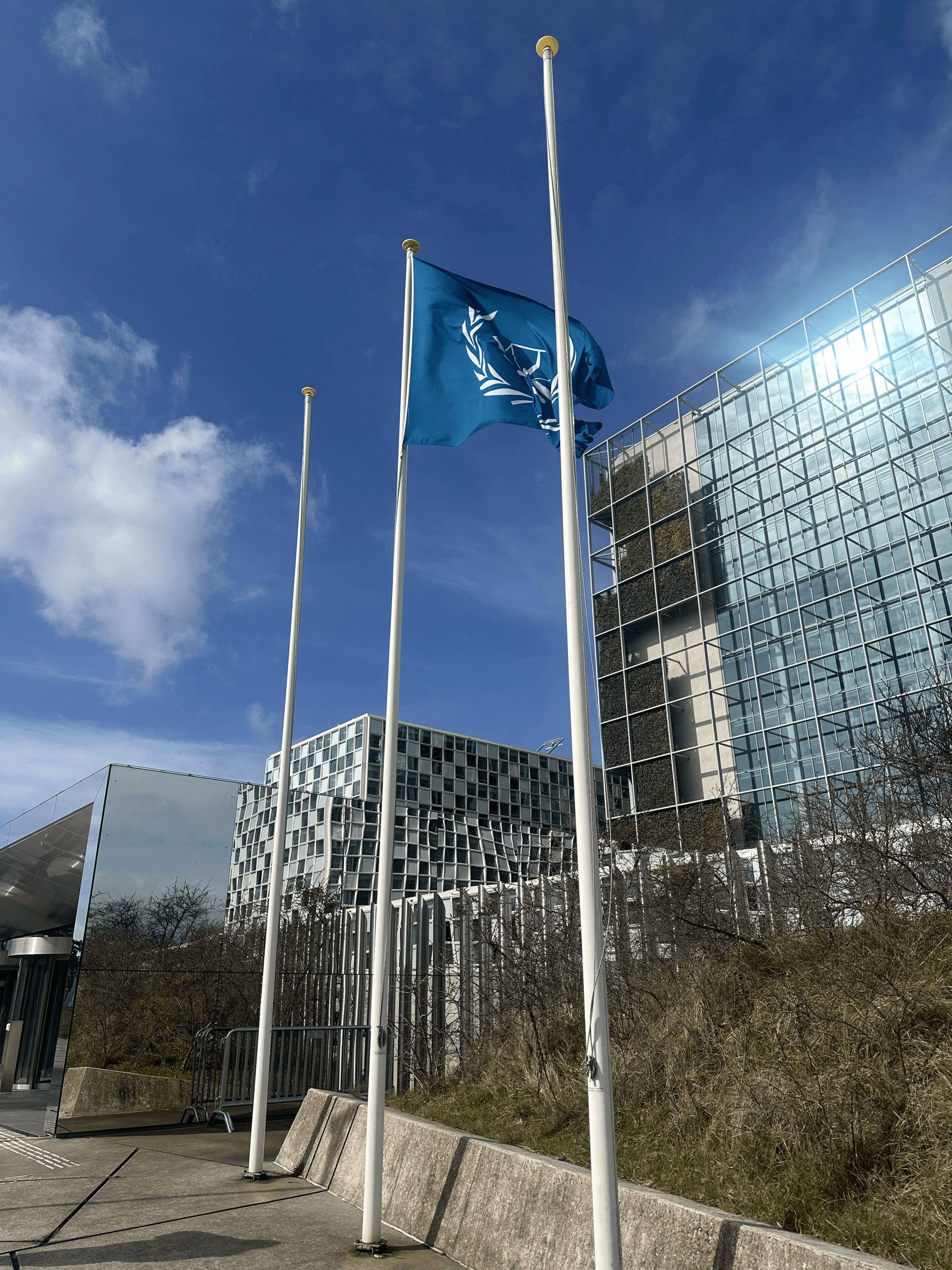
Later that day, we had the privilege to visit the Kosovo Specialist Chambers (KSC). The KSC is a court that was created to prosecute crimes committed during and after the Kosovo conflict in the late 1990s. The court is based in The Hague but utilises Kosovo law and staffed by international judges and prosecutors to remain unbiased.

Day Three – March 18th: Brussels
For our final day, we were back in Brussels to visit the House of European History, a museum which shows Europe’s past.
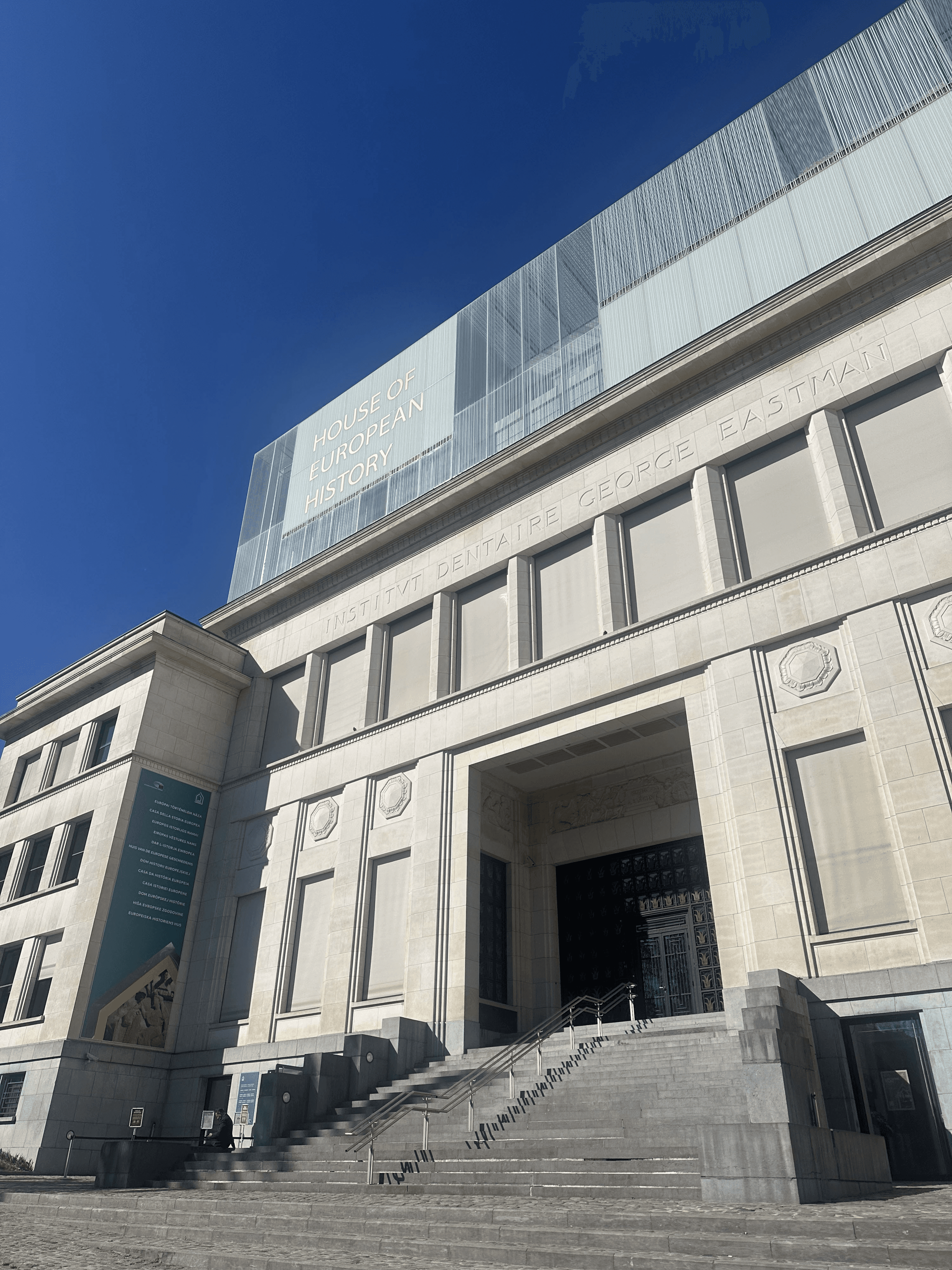
The exhibition that most stood out to me was displayed in a car. The windshield was a screen that showed a bit of every EU country’s most beautiful places, simulating a car ride through Europe.

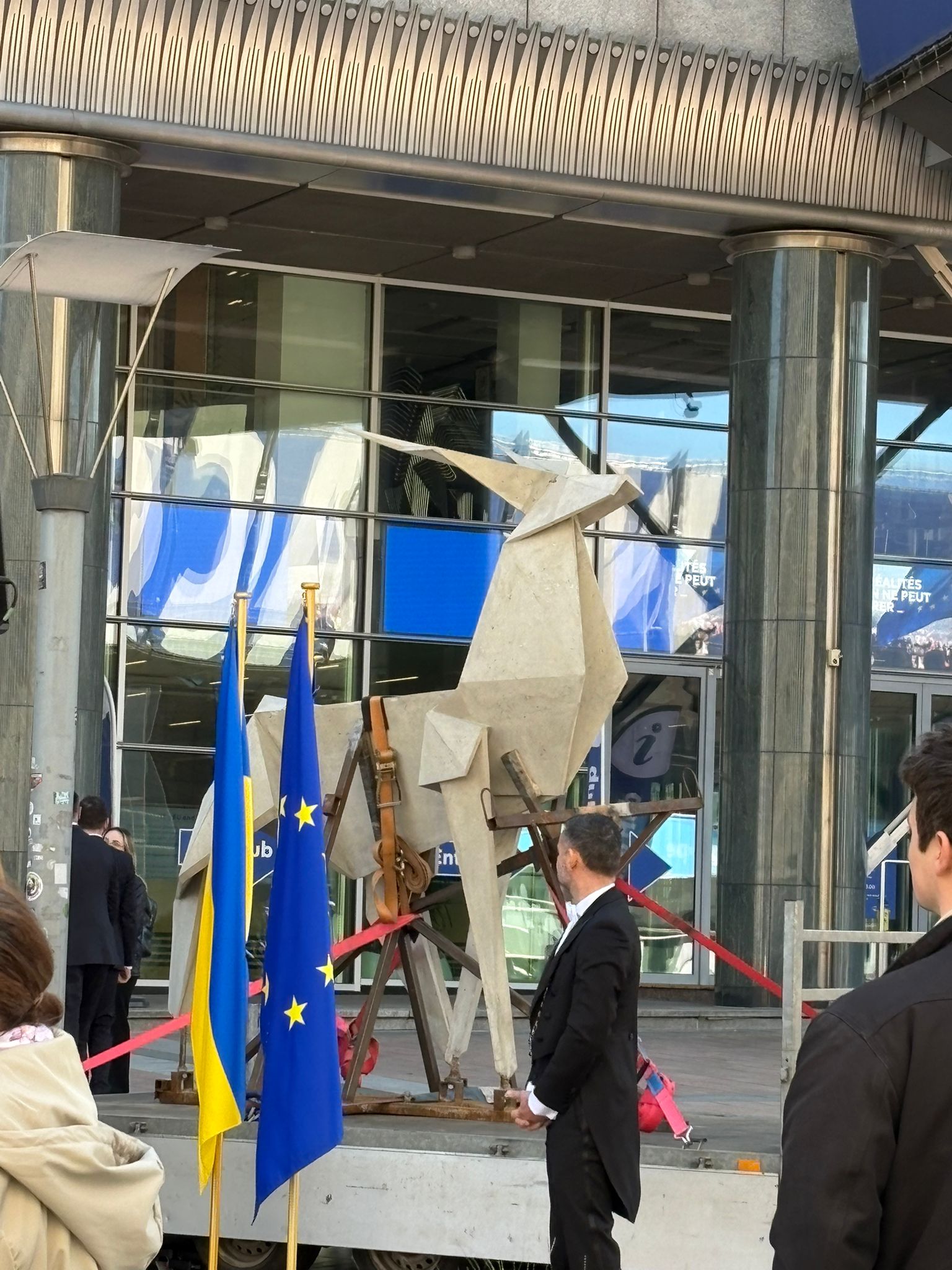
Leaving the museum, we encountered an inauguration of an art piece for Ukraine in front of the Parliament.
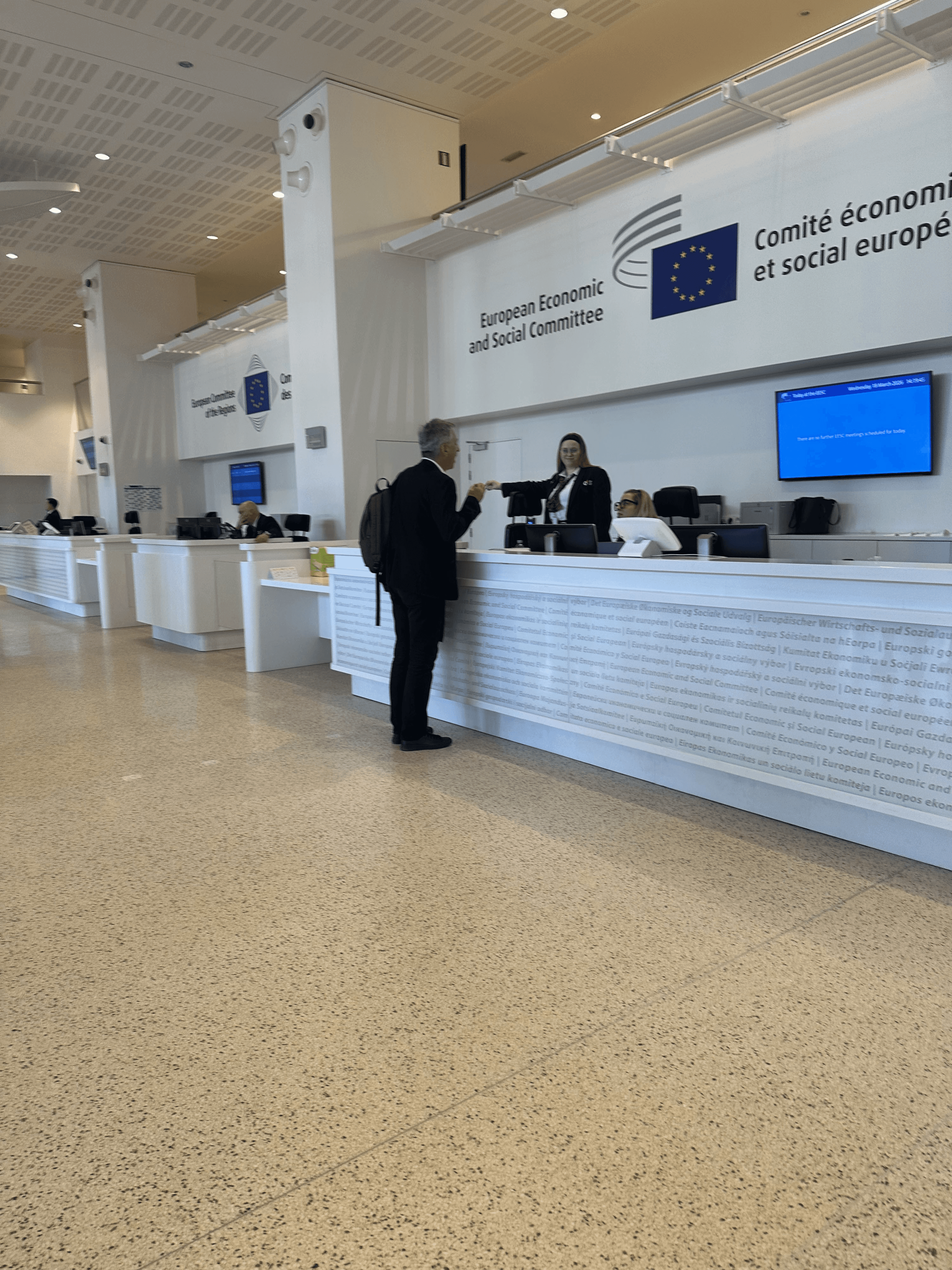
We then proceeded to visit both the European Economic and Social Committee (EESC), and the Committee of the Regions (CoR). The EESC is an advisory body that represents different groups in EU policymaking, such as employers, workers and the civil society. The CoR, though it shares resources with the EESC, it represents a different constituency, it is a voice for local and regional governments across the EU.
Conclusion:
Looking back at our class trip, it was well planned as we got to not only visit the Parliament but also judicial bodies that address crime across borders (ICC and KSC). Furthermore, the museum visit was more than necessary to fully grasp the origins and roots of European institutions and what they genuinely stand for.
Personally, I would have extended the trip by one day as our schedule was very tight and rushed, leaving us unfortunately with no room to explore the rest of the cities. However, I can say on behalf of those who went on this trip that we enjoyed our time exploring the institutions and learning more about International Relations as a whole.
I would like to express my sincere gratitude to Regent’s University London, for allowing such a nice trip to IR students, and once again to Dr Mireille Hebing and Dr Neven Andjelic for accompanying our class on this trip.